Source Carpet Cleaning Brush for Floor, Carpet, and Airport Use
Compare 30 carpet cleaning brush options from Chinese manufacturers. Buyers can evaluate bristle materials like PP and nylon, custom sizes, and industrial applications for shopping malls, workshops, airports, and subway stations. These tools support floor cleaning, carpet cleaning, and environmental protection tasks with high-pressure capabilities and various filament diameters available for specific needs.
Key considerations
Products List


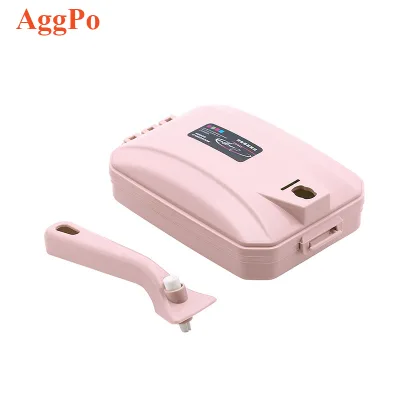


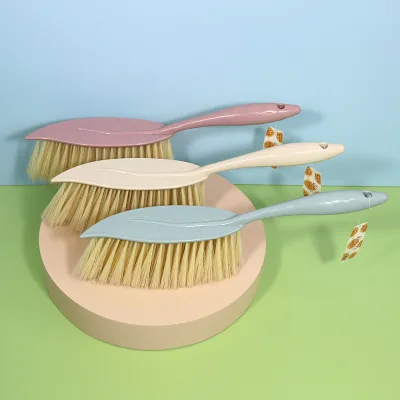


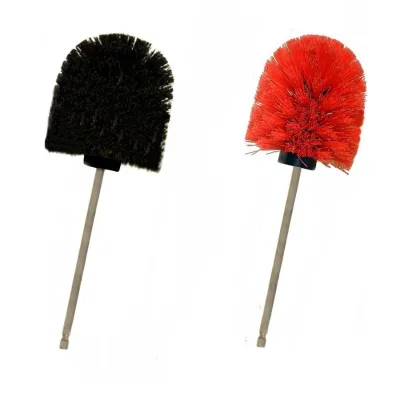


Comprehensive Sourcing Guide
Carpet Cleaning Brush Sourcing Guide
Procuring industrial-grade carpet cleaning brushes requires a strategic approach that balances filament durability, bristle density, and mechanical compatibility with existing floor care equipment. Buyers must first define the operational environment, whether it involves high-traffic commercial spaces like airports and subway stations or specialized workshop settings. The observed market signals indicate a strong preference for customized solutions, with suppliers offering tailored filament materials such as polypropylene, steel wire, and nylon to meet specific abrasive or gentle cleaning needs. Understanding these material distinctions is critical for ensuring the brush performs effectively without damaging sensitive flooring surfaces while maintaining high cleaning efficiency.
Commercial buyers should also consider the structural integrity of the brush handle and the overall packaging logistics, as these factors influence long-term usability and shipping costs. The data suggests a wide range of standard sizes, from 9 to 21 inches, allowing for flexibility in matching brush dimensions to specific machine models or manual cleaning protocols. Additionally, the availability of OEM/ODM services and customized logos enables brands to maintain consistency in their fleet of cleaning tools. By focusing on these technical and commercial variables, procurement teams can select brushes that not only meet immediate cleaning requirements but also support broader operational goals regarding maintenance schedules and brand presentation.
Product Scope and Observed Listing Signals
The current market landscape for carpet cleaning brushes reveals a diverse array of product configurations designed for various industrial and commercial applications. Listings frequently highlight features such as high-pressure resistance and eco-friendly materials, indicating a shift toward more sustainable and durable cleaning solutions. Buyers will encounter products with filament materials ranging from pure polypropylene to composite blends including steel wire and nylon, each offering distinct advantages in terms of stiffness, wear resistance, and debris removal capability. The observed color options, including white, black, blue, and green, allow for color-coding strategies in large facilities to prevent cross-contamination between different cleaning zones.
Furthermore, the scope of application extends beyond simple floor cleaning to include environmental protection initiatives, suggesting that these brushes are integral to comprehensive facility management systems. The presence of models like the WDJ5 and FB-HMB0005 demonstrates that suppliers cater to both specialized industrial brushes and general-purpose hand tools. Packaging variations, such as carton boxes, wooden boxes, or palletized shipments, reflect the varying volume requirements of different buyers. This diversity in product scope allows procurement specialists to source a unified solution for mixed-use environments, ensuring that all cleaning tasks, from deep carpet extraction to surface dust removal, are addressed with appropriate tooling.
Technical Specifications to Verify
When evaluating technical specifications, buyers must prioritize the filament diameter and bristle size, as these metrics directly impact cleaning performance and surface safety. Observed filament diameters range from 0.3mm to 0.8mm, with bristle sizes between 0.2mm and 2mm, providing a spectrum of options from fine dusting to heavy-duty scrubbing. It is essential to verify the exact model number, such as WDJ01 or Jy1519, to ensure compatibility with existing brush holders or automated cleaning machines. The handle material, typically plastic, should be assessed for ergonomic comfort and resistance to chemical degradation, especially if the brushes are used with harsh cleaning agents or high-temperature water.
Additionally, the standard dimensions of the brushes, such as 255813mm or 162560mm, must be cross-referenced with the physical constraints of the cleaning equipment. Buyers should confirm whether the product is an ordinary product or a customized item, as this affects lead times and minimum order quantities. The availability of freely offered samples is a valuable resource for testing bristle stiffness and durability in real-world conditions. Verifying these technical details ensures that the selected brushes will integrate seamlessly into the cleaning workflow, minimizing downtime and maximizing the effectiveness of the cleaning process across different floor types.
Compliance and Safety Documentation
While specific certification statuses are not explicitly detailed in the observed listings, buyers must ensure that all carpet cleaning brushes comply with relevant safety and environmental regulations in their target markets. The mention of eco-friendly features suggests that some products may adhere to stricter environmental standards, but verification is necessary to confirm compliance with local waste disposal and chemical usage laws. Buyers should request documentation regarding the material composition, particularly for brushes containing steel wire or nylon, to ensure they do not pose hazards during disposal or recycling processes. This due diligence helps mitigate legal risks and supports corporate sustainability goals.
Furthermore, the after-warranty service options, including video technical support and online support, indicate a level of supplier accountability that buyers should leverage for compliance-related inquiries. It is advisable to ask suppliers for material safety data sheets (MSDS) or declarations of conformity, especially if the brushes are used in sensitive environments like hospitals or schools. Ensuring that the product origin, such as Anhui or Henan in China, aligns with import regulations and trade agreements is also crucial. By prioritizing compliance documentation, procurement teams can safeguard their operations against potential regulatory penalties and enhance the overall safety profile of their cleaning fleet.
Cost Drivers and Commercial Terms
Several key factors influence the total cost of ownership for carpet cleaning brushes, including material selection, customization level, and order volume. The observed price range of 0.3 to 6000 USD reflects the vast difference between simple hand brushes and complex industrial attachments. Buyers should note that customized products and logos may incur additional setup fees, although the availability of OEM/ODM services suggests competitive pricing for bulk orders. The minimum order quantity (MOQ) of 6000 PCS for some items indicates that economies of scale play a significant role in achieving favorable unit prices, making it essential to consolidate orders where possible.
Delivery times, ranging from 7 to 20 days, also impact procurement planning and inventory management costs. Buyers should consider the packaging specifications, such as 120 PCS per carton with a gross weight of 16.5kg, to calculate shipping efficiency and storage requirements. The factory price claim suggests that direct sourcing from manufacturers can reduce intermediary markups, but buyers must verify this through transparent quotation processes. Understanding these commercial terms allows procurement teams to negotiate better payment structures and delivery schedules, ultimately optimizing the budget allocated for facility maintenance and cleaning supplies.
Supplier Qualification and Quality Control
Evaluating supplier qualifications is critical to ensuring consistent quality and reliable supply chains for carpet cleaning brushes. Buyers should verify the supplier’s manufacturing capabilities, particularly their ability to handle customized orders and provide video technical support. The presence of multiple product models, such as WDJ02 CARPET BRUSH and RB-HMB0013, indicates a diverse production line, but buyers must confirm that quality control processes are standardized across all product lines. Requesting references or case studies from similar industrial clients can provide insights into the supplier’s reliability and responsiveness to technical issues.
Quality control measures should include rigorous testing of bristle retention, handle durability, and material consistency. Buyers should inquire about the supplier’s defect rate and return policy, as these metrics reflect their commitment to product quality. The offer of freely available samples is a practical step in assessing quality before committing to large orders. Additionally, verifying the supplier’s production location, such as Anhui or Henan, can help assess logistical advantages and potential risks. By conducting thorough due diligence, buyers can establish partnerships with suppliers who prioritize quality and continuous improvement, ensuring long-term satisfaction with their cleaning equipment.
Long-Term Procurement Checks
Sustaining a successful procurement strategy for carpet cleaning brushes requires ongoing monitoring of product performance and supplier relationships. Buyers should establish key performance indicators (KPIs) related to brush lifespan, cleaning efficiency, and maintenance frequency to evaluate the long-term value of their purchases. Regular feedback from cleaning staff can provide valuable insights into any operational issues, such as bristle shedding or handle breakage, which may indicate underlying quality problems. This continuous feedback loop allows for timely adjustments in product selection or supplier engagement, ensuring that the cleaning fleet remains effective and efficient.
Furthermore, buyers should periodically review market trends and technological advancements in brush design to identify opportunities for improvement. The availability of customized solutions and eco-friendly materials suggests that the market is evolving, and staying informed can help buyers remain competitive. Building a diversified supplier base can also mitigate risks associated with supply chain disruptions or price volatility. By maintaining a proactive approach to procurement, buyers can ensure that their carpet cleaning operations are supported by high-quality, reliable, and cost-effective tools that meet the changing needs of their facilities.
FAQs
How do I choose the right filament material for a carpet cleaning brush?
Choose the filament material based on surface toughness and cleaning intensity. PP is common for general carpet cleaning, nylon offers better resilience and durability, and steel wire suits heavy-duty scrubbing on robust surfaces. Filament diameters typically range from 0.2mm to 2mm, so confirm the specification with the supplier against your carpet type and machine before ordering.
What sizes are available for carpet cleaning brush products?
Listed standards include widths from 12 to 21 inches, some covering 9 to 21 inches, and specific dimension sets such as 255x813mm, 205x660mm, 165x610mm, and 130x508mm. Availability varies by model, so confirm the exact size and fit for your cleaning machine or hand-brush application with the supplier before confirming an order.
Can carpet cleaning brushes be customized with my logo and colors?
Yes, customization is available on many listed products. Suppliers commonly accept OEM and ODM orders, with colors including white, black, blue, green, and custom options, plus customized logos and packaging such as cartons or cardboard boxes. Provide your artwork and quantity requirements early, since customized production may affect sample approval and delivery timelines.
What is the typical minimum order quantity for carpet cleaning brushes?
Observed MOQs vary widely across listings, from as low as 1 piece for some products up to 10,000 pieces, with one listed brush at 6,000 pieces. Higher MOQs usually apply to fully customized items, while sample orders may be exempt. Always confirm the MOQ for your specific model, filament material, and customization level before requesting quotes.
How long does delivery take for a carpet cleaning brush order?
A listed delivery time of 7 to 20 days is typical for production after order confirmation, excluding shipping transit time. Customized brushes with special colors, logos, or packaging may need additional time for sampling and approval. Ask the supplier to confirm the exact lead time for your specifications and destination port before placing the order.
What after-sales support can I expect after purchasing these brushes?
Listed products commonly offer video technical support and online support after the warranty period. This helps with product usage questions, replacement guidance, and maintenance advice. Before ordering, confirm the warranty duration, what it covers, and whether spare parts or refill filaments are available, since support terms can differ between models and suppliers.
Can I get free samples before placing a bulk order?
Yes, some listings state that free samples are offered, though freight costs are usually paid by the buyer. Sampling lets you verify filament stiffness, brush density, handle quality, and cleaning performance on your carpet type. Request a sample of the exact model and specification you intend to order, and confirm sample lead time with the supplier.
Which applications are these carpet cleaning brushes suitable for?
These brushes serve floor and carpet cleaning across industrial and commercial settings, including shopping malls, workshops, airports, and subway stations. Some models are hand-style brushes with plastic handles, while others fit cleaning machines in sizes from 12 to 21 inches. Match the brush type, filament material, and size to your surface and equipment before ordering.